Changes to Small Business Programs Create Challenges and Opportunities
Key SBA program changes affect eligibility, compliance, and contracting pathways, requiring small businesses to stay vigilant and maintain up-to-date certifications.


Key SBA program changes affect eligibility, compliance, and contracting pathways, requiring small businesses to stay vigilant and maintain up-to-date certifications.
Federal systems are reopening and grant seekers must prepare quickly to stay competitive as reviews, awards, and communications begin moving again.
For startups pursuing non-dilutive funding, the SBIR/STTR programs offer a critical pathway to advance research and development while preserving ownership.
While federal programs like SBIR and STTR often get the spotlight, state-level non-dilutive funding opportunities can be equally valuable for startups seeking financial support for research, development, and growth.
The government shutdown and SBIR/STTR expiration pause federal innovation funding, but prepared companies can emerge stronger when programs resume.
A government shutdown may pause grants. Learn the simple steps you can take now to protect your project or application.
A critical factor in crafting a successful SBIR/STTR application is ensuring that your proposal aligns with the specific priorities and goals of the funding agency.
Navigating the SBIR/STTR application process can be complex, especially for small businesses that are new to federal funding. Between writing a compelling technical narrative, crafting a detailed budget, and ensuring compliance with federal guidelines, the process requires a significant investment of time and expertise.
Securing non-dilutive funding can be a transformative opportunity for startups, providing the financial support needed to develop and commercialize innovative solutions without giving up equity.
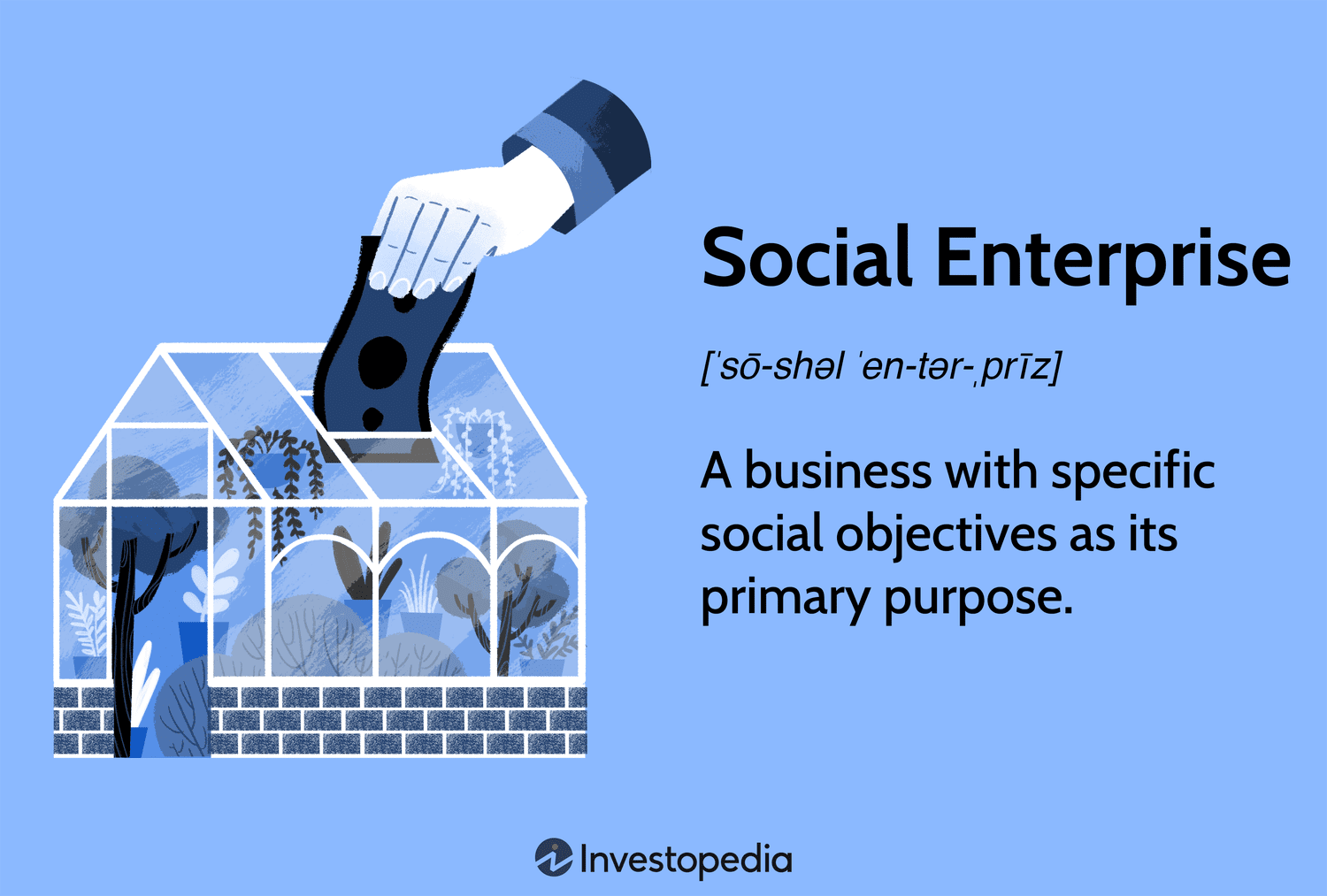
For startups and organizations with a social mission, non-dilutive funding can be a vital resource for achieving impact without giving up equity.