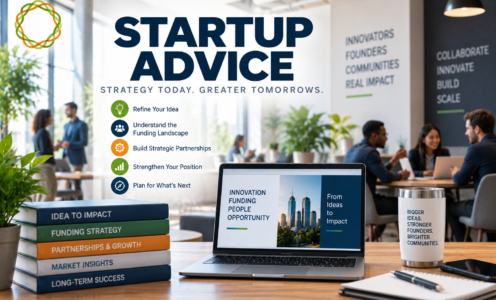
Why Your Startup Needs Mentors and Advisors
Strong founders do not need every answer themselves. The right mentors and advisors sharpen decisions, challenge assumptions, and strengthen growth.


Strong founders do not need every answer themselves. The right mentors and advisors sharpen decisions, challenge assumptions, and strengthen growth.
An award shifts the company from proposal promises to funded execution, where technical milestones, documentation, reporting, financial management, team coordination, and commercialization progress must be managed in practice.
Proofreading fixes wording, substantive review protects funding decisions by testing compliance, logic, evidence, consistency, reviewer clarity, and competitive positioning early.
When communicating with funders, it is important to strike a balance between too much and too little detail. 🎤 📢
Starting a business? Follow our step-by-step guide to navigate the startup process! 💡📈 From developing an idea to launching your business, we’ve got you covered. 🚀
Get your business ready for federal contracts with our step-by-step guide to SAM registration! 🏛️ From gathering essential documents to completing the online forms, we’ll walk you through the entire process. 📋✨ Ensure your business is fully prepared to compete in the federal marketplace.
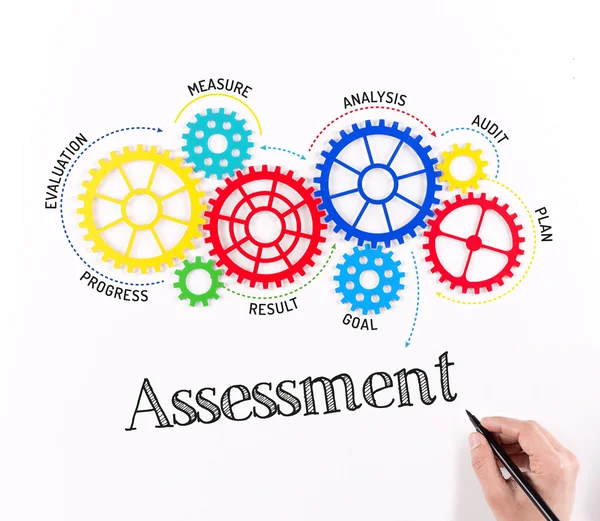
Discover how to leverage evaluation results to enhance your business processes and outcomes. Learn actionable strategies with guidance from E.B. Howard Consulting to drive operational excellence and continuous improvement. 🌟📈
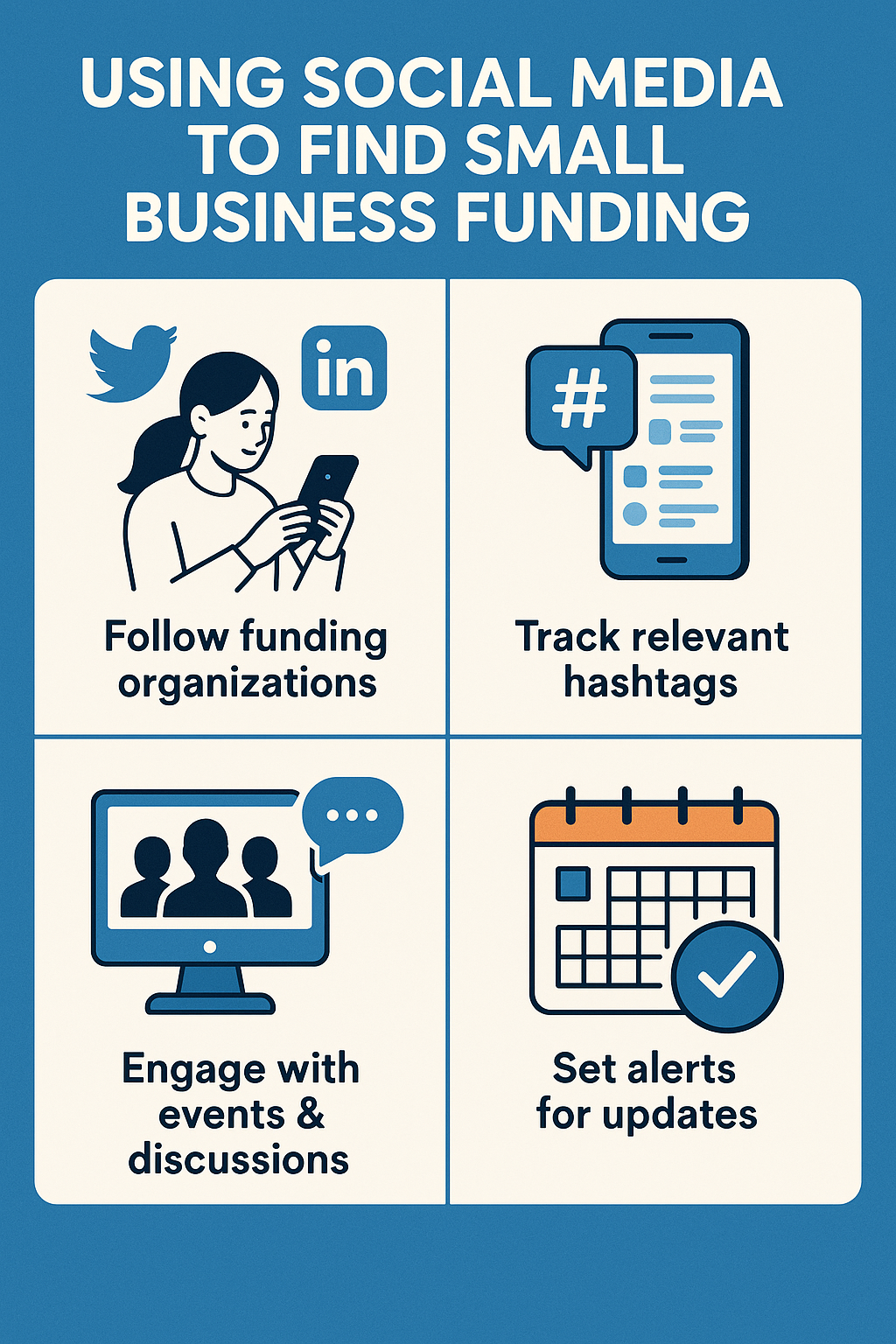
Stay ahead in funding! Follow key agencies, engage in real-time updates, and uncover grant opportunities on social media platforms
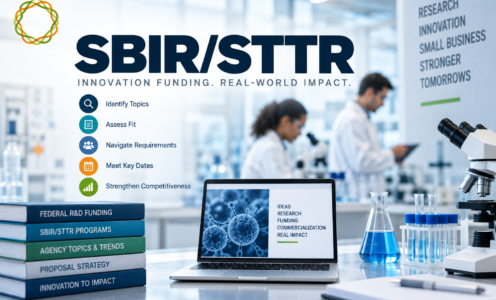
📢 Understanding SBIR vs. STTR: Small businesses lead both programs, but STTR requires mandatory collaboration with research institutions like HEIs. Avoid common misconceptions and maximize your funding potential by knowing your role! 🚀🔬
Clearly state your project’s main point right up front to capture attention and enhance readability. Make your proposal stand out from the start! 🚀✨