

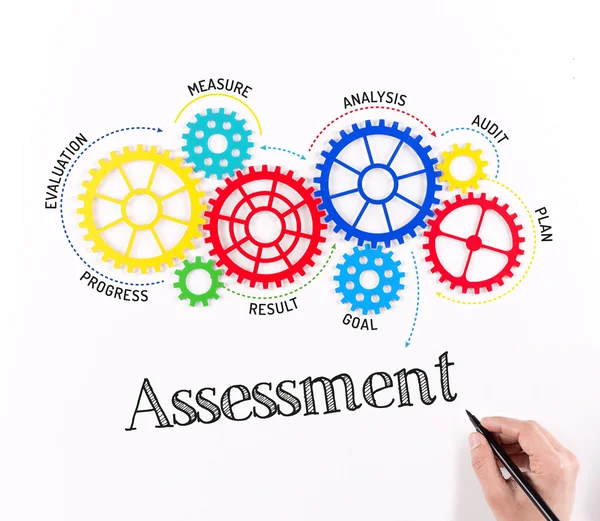
Leveraging evaluation findings is a powerful strategy to enhance business processes and outcomes. Evaluations provide valuable insights into what’s working well and areas that need improvement. At E.B. Howard Consulting, we assit organizations use these insights to drive operational excellence. Here’s how you can use evaluation results to improve your operations.
1. Identify Strengths and Weaknesses
Evaluation findings highlight your organization’s strengths and weaknesses. Use this information to reinforce successful practices and address areas needing improvement. For example, if an evaluation reveals high customer satisfaction in one aspect of your service, you can replicate those practices across other areas.
Without measuring success, or the lack thereof, there is no way to determine if a project is meeting its objectives. This information allows project directors to adjust activities and objectives as needed to be more impactful. Our evaluation services have helped many clients discover gaps in programming they would not have uncovered without independent evaluation.
2. Inform Strategic Planning
Incorporate evaluation results into your strategic planning process. These insights help set realistic goals, allocate resources effectively, and prioritize initiatives that will have the greatest impact. By grounding your strategy in data, you can make more informed decisions.
3. Enhance Training and Development
Evaluation findings can identify gaps in skills and knowledge within your team. Use this information to develop targeted training programs that address these gaps, improving overall performance and productivity. For instance, if an evaluation shows a need for better customer service skills, you can implement specific training to address this.
4. Optimize Processes and Procedures
Analyze evaluation results to identify inefficiencies in your processes and procedures. Streamline operations by eliminating bottlenecks and implementing best practices. For example, if an evaluation highlights delays in project delivery, investigate the causes and implement process improvements to speed up timelines.
5. Foster Continuous Improvement
Use evaluation findings as a foundation for continuous improvement. Regularly review and update your practices based on new data and insights. Create a feedback loop where evaluation informs practice, and practice is continually refined through further evaluation.
Many of our clients, upon reviewing evaluation data, realize that their initial objectives or aims could benefit from being modified slightly or adding new activities
6. Improve Stakeholder Communication
Share evaluation results with stakeholders to build transparency and trust. Communicating your successes and areas for improvement demonstrates accountability and a commitment to quality. This openness can strengthen relationships with clients, partners, and funders.
7. Secure Funding and Support
Use positive evaluation findings to support grant applications, funding requests, and partnerships. Demonstrating the effectiveness of your programs and initiatives can enhance your credibility and attract additional resources.