How to Navigate the Startup Process: A Beginner’s Guide
Starting a business? Follow our step-by-step guide to navigate the startup process! 💡📈 From developing an idea to launching your business, we’ve got you covered. 🚀


On Wednesdays, sharing best practices, tips, anything that shows our expertise.
Starting a business? Follow our step-by-step guide to navigate the startup process! 💡📈 From developing an idea to launching your business, we’ve got you covered. 🚀
EBHC completed NSF’s free Research Security Training and explains why it matters for proposals, program evaluation, and federally funded research.
Federal grant teams should monitor agency language changes early to reduce proposal risk while preserving clarity, compliance, and project integrity.
Proposal success has never depended on individual words. Learn why strategy, alignment, and communication remain the foundation of competitive applications.
Recent reporting raises important questions about keyword screening in federal grants and why proposal strategy matters more than individual words.
Get your business ready for federal contracts with our step-by-step guide to SAM registration! 🏛️ From gathering essential documents to completing the online forms, we’ll walk you through the entire process. 📋✨ Ensure your business is fully prepared to compete in the federal marketplace.
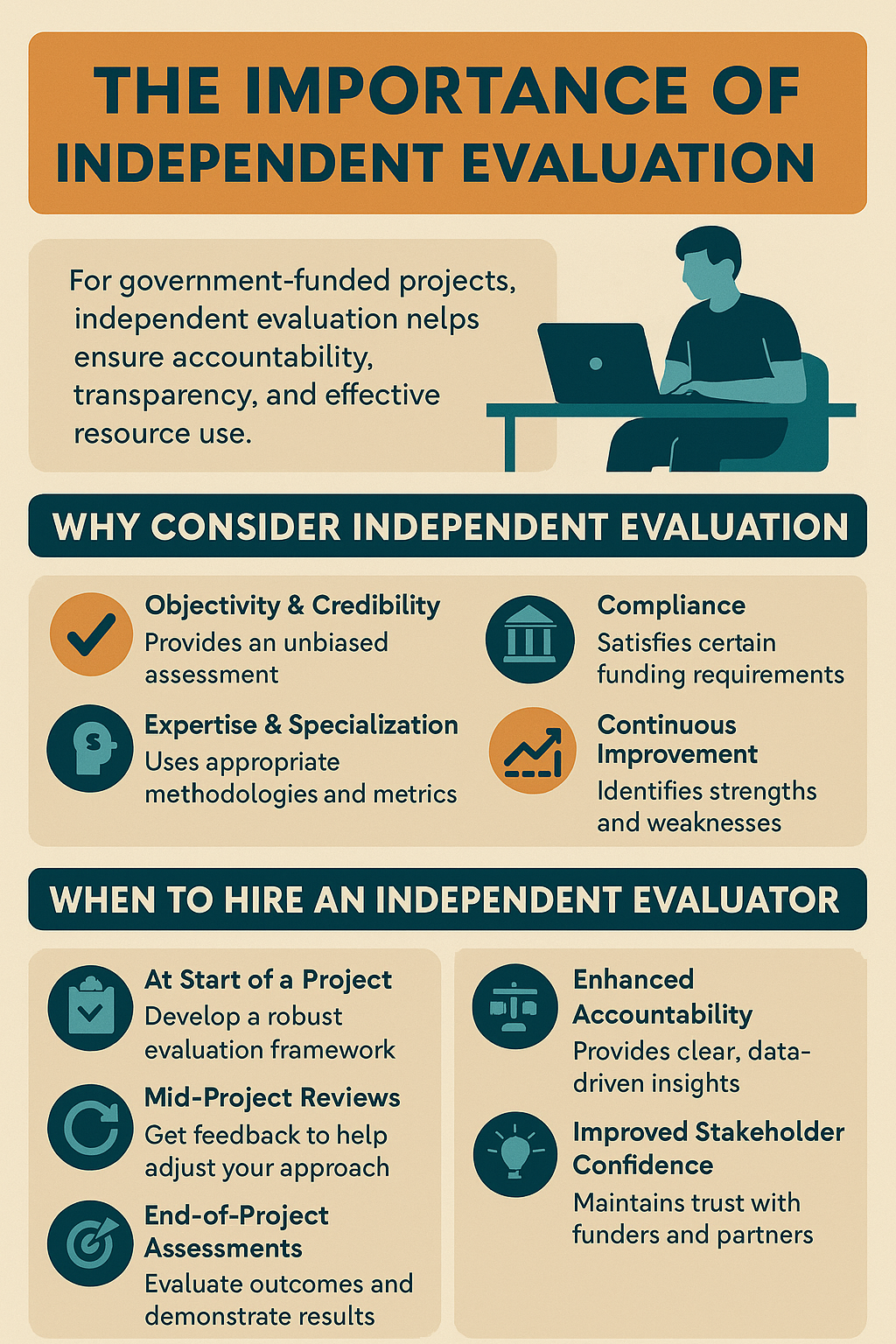
Strengthen accountability and credibility with independent evaluations that deliver unbiased insights, actionable recommendations, and compliance with funding requirements.
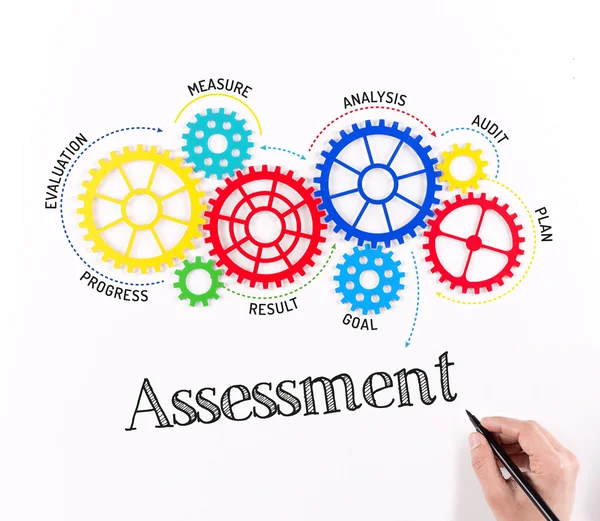
Discover how to leverage evaluation results to enhance your business processes and outcomes. Learn actionable strategies with guidance from E.B. Howard Consulting to drive operational excellence and continuous improvement. 🌟📈
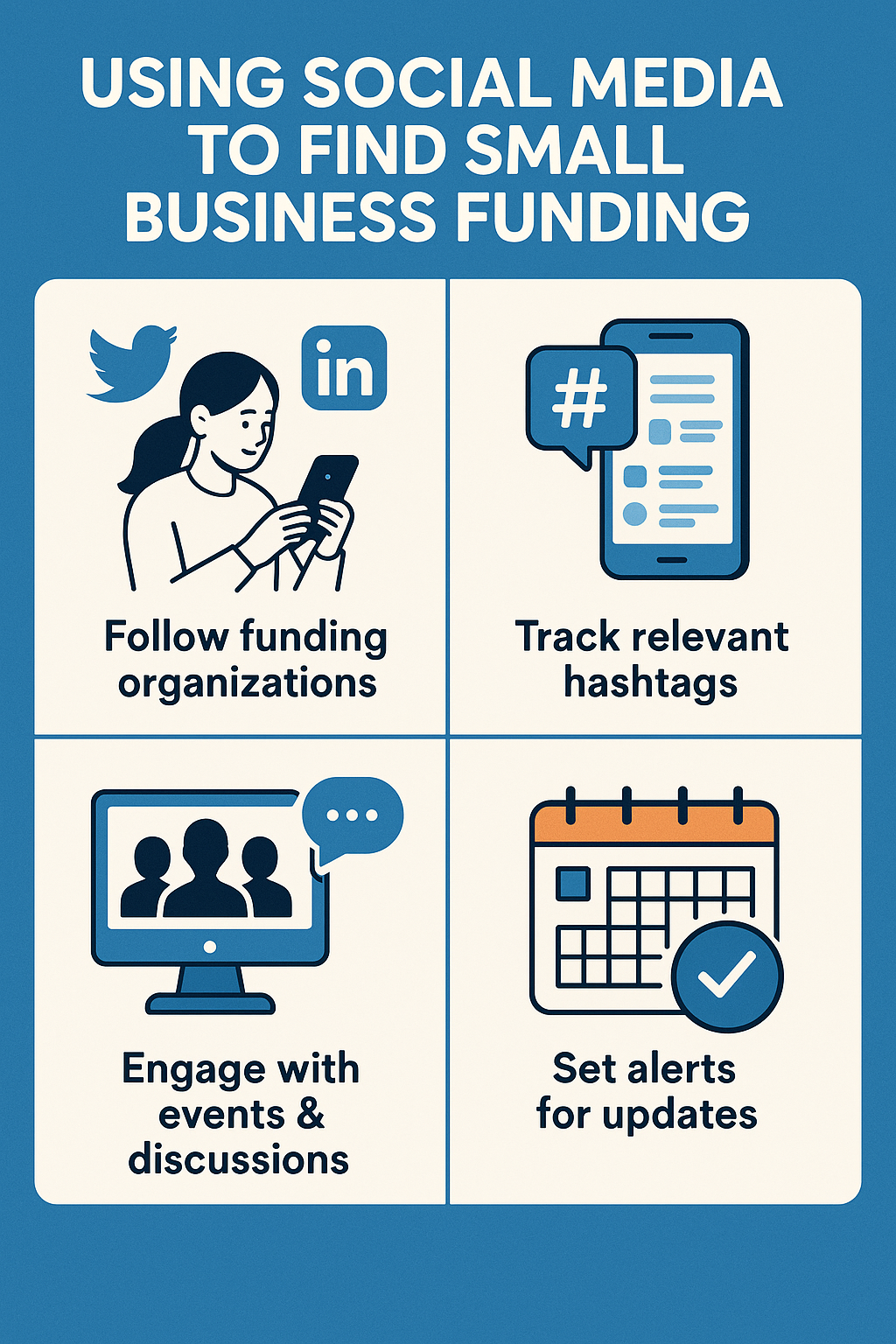
Stay ahead in funding! Follow key agencies, engage in real-time updates, and uncover grant opportunities on social media platforms
NSF now requires different Project Description structures for Phase I, Phase II, and Fast-Track proposals, affecting proposal preparation strategies.