


A well-crafted technical narrative is at the heart of a successful SBIR/STTR proposal. This section outlines the core research objectives, technical approach, and anticipated outcomes of your project. However, it’s more than just a detailed description, it’s your opportunity to demonstrate feasibility, innovation, and impact in a way that resonates with reviewers. Crafting a clear, concise, and compelling technical narrative can set your proposal apart.
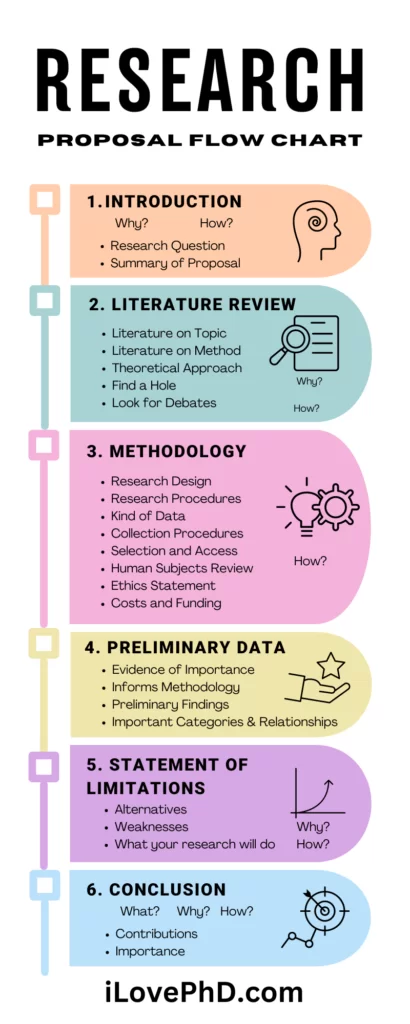
Understand the Purpose of the Technical Narrative
The technical narrative provides a blueprint of your research and development (R&D) efforts. It should convey what you plan to achieve, how you will achieve it, and why it matters. Beyond the technical details, it should also communicate your project’s significance and potential for commercialization.
Key components include:
- Problem Statement: Define the problem your innovation addresses.
- Objectives: Specify your project’s technical goals and measurable milestones.
- Approach: Detail your research methods, experiments, and tasks.
- Innovation: Highlight what makes your approach novel.
- Risk Mitigation: Address potential challenges and how you plan to overcome them.
During a 2023 EDA Recompete submission window, we had two very different clients. Although both were from Colorado, one client took our advice and focused on a clear, data-driven, fact-based narrative. The other client overhauled our draft with the complaint that it was not “a compelling story”. Grant proposals are NOT a “story”, but rather a roadmap for the quantifiable time-bound activities proposed by the applicant. The client who focused on storytelling was not considered. The other was awarded $600,000 for Phase I, designated as an EDA Tech Hub, and subsequently won a $127M contract for their Phase II project in July of 2024.
Crafting a Strong Problem Statement
Your problem statement sets the stage for your technical narrative. It should clearly define the gap or challenge your project addresses and explain why it is significant.
- Avoid vague language: Be specific about the problem and its real-world implications.
- Incorporate data: Use quantitative metrics to illustrate the scope and importance of the issue.
- Connect to the funding agency’s mission: Show how solving this problem aligns with the agency’s research priorities.
Defining Clear Objectives
Your objectives should describe what success looks like for your project. Use SMART (Specific, Measurable, Achievable, Relevant, Time-bound) criteria to define clear goals.
- Specific: Break down broad goals into actionable steps.
- Measurable: Include key performance indicators (KPIs) to track progress.
- Time-bound: Provide a realistic timeline for achieving milestones.
By setting clear objectives, you demonstrate that your project is well-planned and feasible.
Describing Your Technical Approach
The technical approach outlines the tasks, experiments, and methods you will use to achieve your objectives. This section should be detailed enough to convey your expertise while remaining focused.
- Provide a step-by-step plan: Describe your R&D activities chronologically, explaining the purpose of each step.
- Explain your methodology: Justify why you’ve chosen specific methods or technologies.
- Include milestones: Highlight key deliverables that will indicate progress.
- Use visuals: Diagrams, flowcharts, and timelines can help reviewers quickly grasp your approach.
Emphasizing Innovation
Your proposal should make it clear how your approach differs from existing solutions. Reviewers are looking for projects that push boundaries and fill gaps in current research.
- Compare with the state of the art: Briefly describe existing solutions and their limitations.
- Highlight your unique contribution: Explain what sets your approach apart.
- Anticipate reviewer questions: Address potential skepticism by preemptively explaining why your approach is viable.
Addressing Risks and Challenges for Reviewers
Every R&D project carries some level of uncertainty. Acknowledging potential risks and presenting mitigation strategies demonstrates that you have a realistic and proactive plan.
- Identify technical risks: Highlight areas where results may vary and explain how you will adapt.
- Present contingency plans: Include alternative approaches in case your initial plan doesn’t yield expected results.
Maintaining Clarity and Flow for Reviewers
Even highly technical sections should be accessible and easy to follow. Keep your narrative organized and reader-friendly.
- Use clear headings and subheadings: This helps reviewers quickly locate key information.
- Avoid jargon: Where technical terms are necessary, provide brief explanations.
- Write concisely: Avoid lengthy paragraphs—focus on delivering information in a clear and direct way.
Highlighting Expected Outcomes and Impact for Reviewers
Wrap up your technical narrative by summarizing the anticipated results and their broader impact.
- Scientific and technical contributions: Explain how your findings will advance the field.
- Commercialization potential: Describe how your innovation could translate into market success.
- Public benefit: Highlight any societal, environmental, or economic benefits.
Final Review and Refinement
Before submitting your proposal, conduct a thorough review of your technical narrative:
- Check for consistency: Ensure that your objectives, approach, and outcomes align.
- Seek external feedback: Ask colleagues or mentors to review your draft and provide constructive feedback.
- Proofread meticulously: Spelling or formatting errors can distract reviewers and weaken your credibility.
A well-written technical narrative not only conveys the details of your research but also tells the story of your innovation’s potential. By clearly defining the problem, presenting a thoughtful technical approach, and demonstrating the broader impact of your project, you can create a compelling proposal that captures the attention of SBIR/STTR reviewers.
At EBHC, we collaborate with startups to craft strong, data-driven technical narratives that align with funding agency expectations. If you’re ready to strengthen your proposal, contact us today to build a winning strategy.