CDMRP’s FY26 SCIRP pre-announcement outlines research priorities and emerging funding routes for spinal cord injury investigators.

CDMRP’s FY26 SCIRP pre-announcement outlines research priorities and emerging funding routes for spinal cord injury investigators.
New Hampshire startups can receive $5K to finalize strong SBIR/STTR proposals through UNHInnovation’s FOSTER Microgrant. Training required.
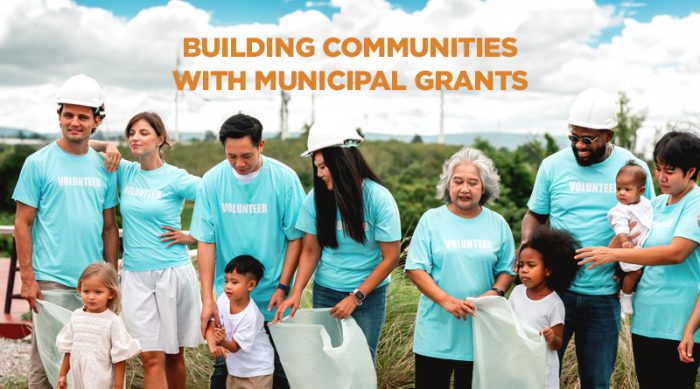
Municipalities succeed in federal grantmaking with early planning, strong partnerships, and clear evaluation; Springfield and Birmingham prove it.

Strong evaluation frameworks turn data into funding power, helping innovation and economic development programs prove impact and attract future investment.
First-time DOE SBIR/STTR applicants can receive expert proposal support through the DOE Phase 0 Program—quarterly enrollment and rolling support.
NSF rule changes raise the bar on proposal readiness. One weak submission can now close doors. Here is how to respond.
District-based startups can receive up to $10,000 in guided support to prepare competitive SBIR/STTR proposals through DSLBD’s Phase 0 Program.
A new end-to-end SBIR/STTR ecosystem is raising the stakes for how smooth, compliant, and detail-perfect your grant submission must be—here’s how grant writers and funding-seeking organizations must adapt to avoid being dismissed on a “technicality.”

Federal systems are reopening and grant seekers must prepare quickly to stay competitive as reviews, awards, and communications begin moving again.
Idaho startups can access $3,000 in SBIR/STTR proposal funding plus a $1,000 incentive—flexible, reimbursable, and rolling year-round.