SBIR/STTR reauthorization is approaching. Six strategic actions innovators should take now to stay competitive and compliant.

SBIR/STTR reauthorization is approaching. Six strategic actions innovators should take now to stay competitive and compliant.

Submitting an SBIR/STTR proposal is a significant milestone, but what happens next can feel like a mystery.

NASA’s growing SBIR/STTR budget creates opportunity, but only for teams prepared to meet higher expectations and execution scrutiny.
Submitting a competitive SBIR/STTR application involves managing a large number of documents, each with its own set of requirements and deadlines.

NSF’s expanded technical support makes evaluation a front-end strategy decision, not a back-end requirement, for emerging innovation teams.

NSF ART proposals need evaluation built in early. EBHC ensures proposals align with outcomes reviewers expect and strengthens institutional credibility.

Federal systems are reopening and grant seekers must prepare quickly to stay competitive as reviews, awards, and communications begin moving again.

Assembling a team with the right blend of expertise, leadership, and collaborative partnerships can significantly strengthen your proposal.

For startups pursuing non-dilutive funding, the SBIR/STTR programs offer a critical pathway to advance research and development while preserving ownership.
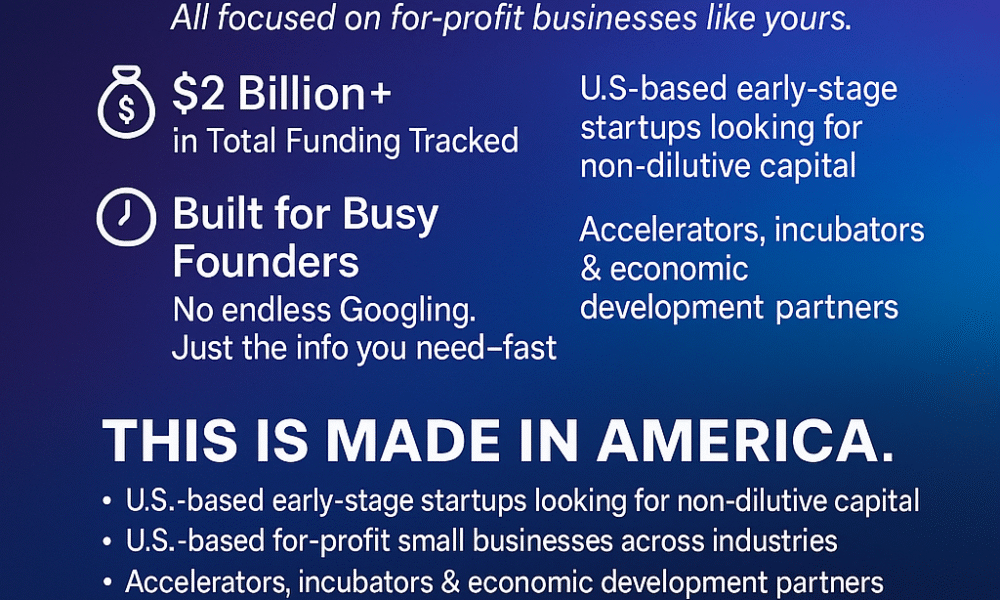
Born as a free COVID-19 funding database, Startup Fund Hub is now a powerful platform for accessible, transparent funding.