Michigan startups can access $14,000 in proposal prep support through Ann Arbor SPARK—applications accepted on a rolling basis.
Michigan startups can access $14,000 in proposal prep support through Ann Arbor SPARK—applications accepted on a rolling basis.

Federal systems are reopening and grant seekers must prepare quickly to stay competitive as reviews, awards, and communications begin moving again.

Assembling a team with the right blend of expertise, leadership, and collaborative partnerships can significantly strengthen your proposal.
West Virginia startups that submit SBIR/STTR proposals can access a $2,500 grant year-round to offset development costs.
First-time SBIR/STTR applicants in Utah can access up to $5K in proposal prep microgrants through UTIF—rolling application and local support.

For startups pursuing non-dilutive funding, the SBIR/STTR programs offer a critical pathway to advance research and development while preserving ownership.
Tarrant County startups can access proposal development support through HSC Next’s SBIR Phase 0 program—rolling applications, expert guidance, and strategy.
NDSU faculty and partners can apply for $7,500 in proposal development funds through the university’s SBIR/STTR Phase 0 Program.
Biomedical SBIR/STTR applicants in seven states can access $3,500 in expert consulting through the University of Vermont’s I-Trep Program.
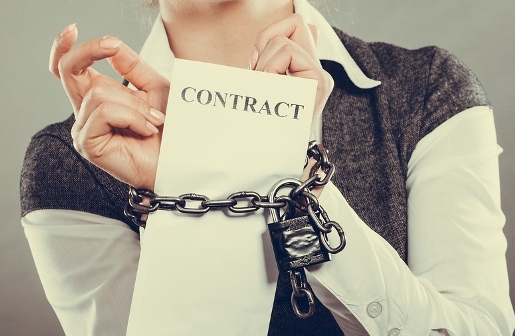
Some grant consultants push startups into long-term, a high-cost retainer—whether or not it makes sense for the work. We take a different approach.