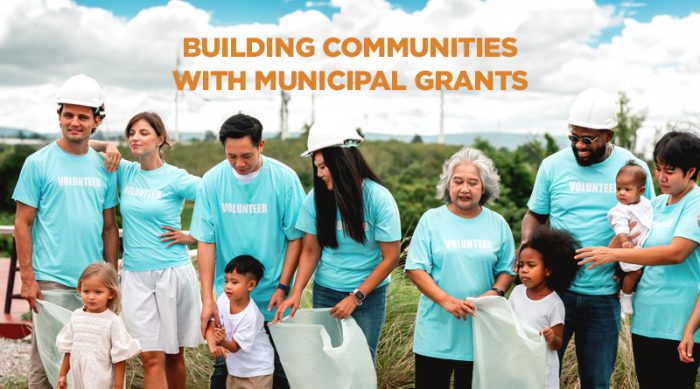
Your TL;DR: Municipalities often overlook strategic grant preparation, but success depends on planning, partnerships, and evaluation. EBHC’s proven track record, including wins with the City of Springfield and Reinvest Birmingham, shows how professional support can make a difference.
Best Practices for Municipalities in Grant Preparation
When municipalities pursue federal funding, the stakes are high. These grants don’t just fund projects; they fuel community growth, workforce development, infrastructure improvement, and long-term economic resilience. Yet, many cities and towns stumble, not because they lack vision, but because they underestimate the complexity of the grant preparation process.
Your municipality needs a clear, strategic pathway to competitive federal funding, and preparing that foundation early can save time and strengthen outcomes. EBHC can guide you through a structured approach that aligns priorities, partnerships, and evaluation from day one.
Begin your municipal grant preparation planning session
1. Start Early and Build Partnerships
Successful grant proposals rarely come together at the last minute. Municipalities should begin planning well before funding announcements open. This means:
- Identifying local priorities and aligning them with federal funding goals.
- Engaging community partners such as universities, nonprofits, and workforce boards.
- Mapping out existing resources and identifying gaps that the grant can address.
These partnerships not only make proposals stronger but also demonstrate community buy-in—something reviewers are trained to look for.
2. Ground Projects in Data and Evidence
Strong narratives need strong backing. Federal agencies, including the Economic Development Administration (EDA), place significant weight on proposals rooted in evidence. Municipalities should:
- Collect data on workforce needs, unemployment, and economic mobility.
- Use credible sources to highlight the urgency of challenges.
- Pair the data with realistic, measurable outcomes.
When EBHC supported the City of Springfield’s EDA Recompete application, data-driven framing was central. The result? A winning application and a funded evaluation that is already driving meaningful community progress.
3. Prioritize Evaluation from the Beginning
Too often, municipalities treat evaluation as an afterthought. In reality, funders want to know: How will you measure success?
- Define clear performance metrics early.
- Partner with evaluation experts (like EBHC) who can design logic models, data collection strategies, and impact measurement systems.
- Show reviewers you’re serious about accountability and long-term outcomes.
Our role as evaluators for Springfield’s Recompete win helped not just with compliance but with setting up a system for learning and improvement throughout the project lifecycle.
4. Tell a Cohesive, Compelling Story
Facts matter, but so does narrative. Municipalities should ensure proposals read as stories of transformation:
- What challenge does your community face?
- How will this project address it in ways that others cannot?
- Why is now the right moment?
5. Anticipate Tight Competition
With programs like the EDA’s Recompete Pilot, demand always exceeds available funds. Municipalities need to assume competition will be fierce:
- Double-check compliance with every requirement.
- Submit polished, error-free narratives.
- Highlight unique strengths and differentiators.
Given the uncertainty in federal funding right now, high-quality preparation is more important than ever.
Ready To Take the Next Step?
We assist our clients in locating, applying for, and evaluating the outcomes of non-dilutive grant funding. We believe non-dilutive funding is a crucial tool for mitigating investment risks, and we are dedicated to guiding our clients through the entire process—from identifying the most suitable opportunities to submitting and managing grant applications.